
A new proposal from Chinese scientists is turning heads in the world of space exploration and resource mining. According to a recently published study, China is developing a magnetic launch system on the Moon designed to propel valuable lunar resources directly back to Earth. The concept? A futuristic, high-tech slingshot that could radically cut transport costs and transform how we think about space logistics.
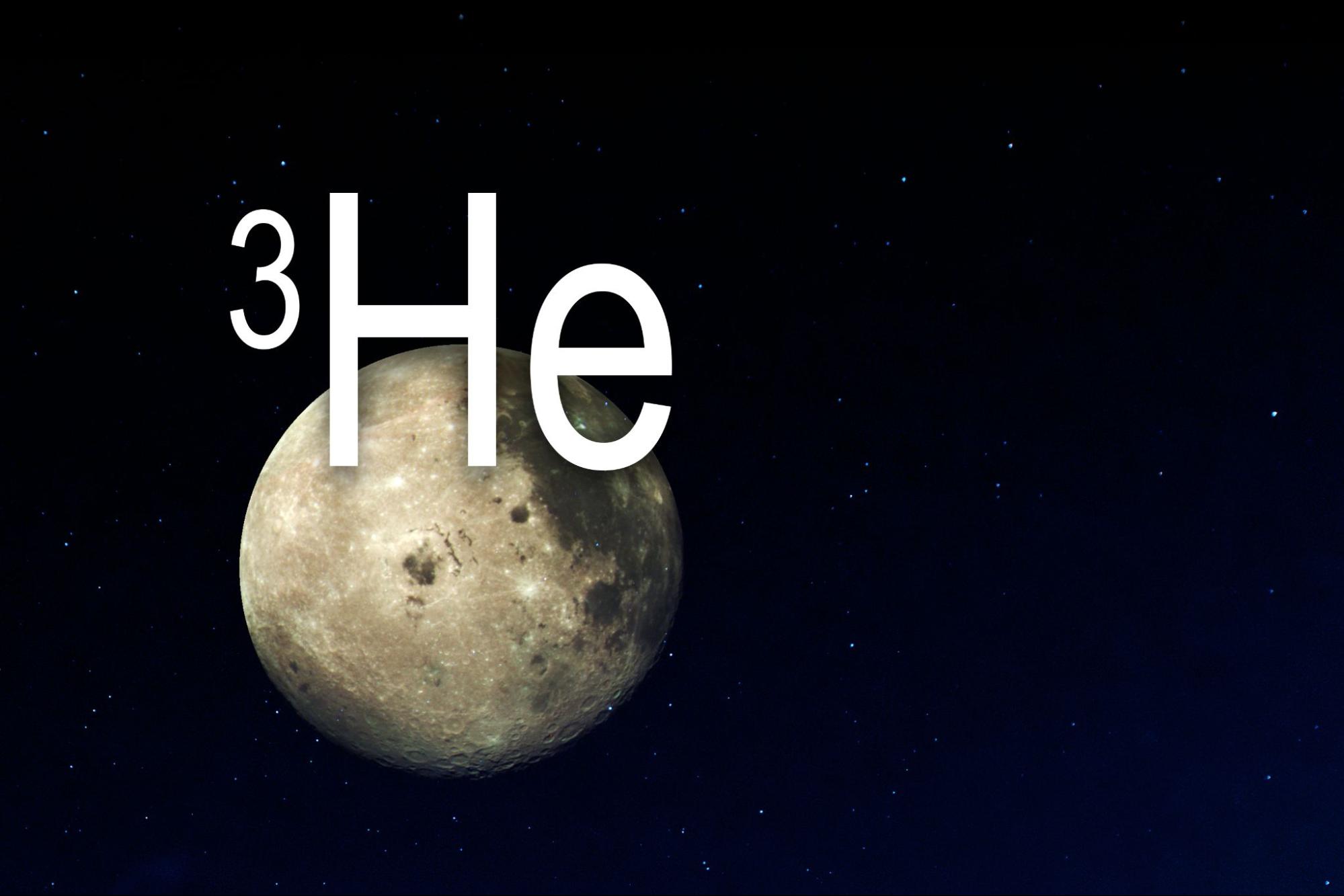
At the heart of this $18 billion project is one particularly coveted prize: helium-3, a rare isotope that many consider the holy grail of future energy solutions. Found in abundance in the Moon’s soil but scarce on Earth, helium-3 could potentially fuel fusion reactors capable of delivering vast amounts of clean power. For China, tapping into this lunar treasure could mean solving part of Earth’s long-term energy challenge – and establishing a commanding lead in the new space economy.
From Concept to Catapult
Described as a rotating electromagnetic arm encased in a vacuum tunnel, the system would spin a payload to lunar escape velocity and release it with pinpoint precision, sending it on a trajectory homeward. Scientists estimate it could cut the cost of Moon-to-Earth transport by over 90%, delivering up to two payloads per lunar day without using any rocket fuel.
“The system’s technical readiness is relatively high,” the research team from the Shanghai Institute of Satellite Engineering noted. “It consumes only electricity and requires no propellant, so it will be relatively small-scale and straightforward to implement.”
It’s the kind of innovation that could reshape the economics of space mining. Powered by solar energy and possibly a compact nuclear reactor, the system is designed for long-term use and high-frequency launches. Chinese experts believe it could operate for at least 20 years on the lunar surface, launching thousands of cargo capsules loaded with helium-3 or other lunar materials.
Why Now?
While the technology may sound like a leap into the future, it fits perfectly into China’s long-term space ambitions. Over the past decade, China has steadily ramped up its Moon missions, most recently returning the first samples from the lunar far side with Chang’e-6. In the next few years, Chang’e-7 and Chang’e-8 will scout the Moon’s south pole for resources and test in-situ resource utilisation technologies. The country’s ultimate goal: a permanent base, co-developed with Russia, called the International Lunar Research Station.
“The main goal is to extract and return helium-3 to help address Earth’s energy crisis,” the study explains. Researchers estimate that mining 3 to 5 tonnes of helium-3 annually could generate as much as 100 billion yuan in revenue.
The magnetic launcher would be a key component of that base. Rather than just studying the Moon, China is planning to use it – and the ability to ship resources home cheaply is a critical part of that vision. By some estimates, exporting 3 to 5 tonnes of helium-3 per year could generate enough energy to meet China’s needs for decades.
Challenges and Controversy
Still, not everyone is convinced. No fusion reactor today is ready to use helium-3, and mining it on the Moon would require sifting through and processing millions of tonnes of lunar soil. The launcher itself would be a feat of engineering: a 50-metre rotating maglev arm spinning in precise coordination with Earth-bound orbital paths. Critics argue that building such a device on the Moon’s harsh surface is easier said than done.
Then there’s the geopolitical angle. With NASA pushing its Artemis program and the U.S. warning of potential lunar land grabs, China’s infrastructure-heavy approach to lunar exploration is raising eyebrows in Washington and beyond. Space analysts worry that whoever controls the Moon’s resources could gain a powerful economic and strategic advantage – and the magnetic launcher, if built, would be a big step in that direction.
NASA Administrator Bill Nelson put it bluntly in 2023: “It is a fact: we’re in a space race… we better watch out that they don’t get to a place on the Moon and say, ‘Keep out, this is our territory.'”
What Comes Next?
For now, China’s magnetic launcher remains a proposal – ambitious, technically grounded, but still on paper. Researchers aim to prototype critical components over the next five years and hope to integrate the full system into China’s lunar base plans by the 2040s. Whether they succeed or not, the announcement is a clear signal: China isn’t just planting flags on the Moon. It’s building the infrastructure to stay.
And if they pull it off, the era of interplanetary mining – powered not by rockets, but by magnets – may be closer than we think.