
There’s a new twist in the race for global tech dominance – and it’s not happening in Silicon Valley or Beijing. It’s happening on the Moon. As countries push to build bigger, smarter AI systems, a surprising factor is starting to matter more than most people expected: access to lunar resources. And China, as usual, seems to be thinking a few steps ahead.
At the centre of this strategy is helium-3, a rare substance that could be the key to solving some of the biggest energy and computing challenges we face. Found in large amounts on the Moon’s surface but incredibly scarce here on Earth, helium-3 is shaping up to be more than just a scientific curiosity. It might just help decide who takes the lead in AI, quantum computing – and everything that comes with it.
AI Is Growing Fast – And So Are Its Energy Needs
Let’s start with a basic fact: AI eats electricity for breakfast. Every time a company trains a massive model, it’s running on servers that burn through insane amounts of power. And as models get larger and more capable, the power bills keep climbing. Some researchers believe that in just a few years, AI data centres could use more electricity than entire countries.
Then there’s quantum computing. It’s still in early stages, but if it takes off, it could change the game completely – speeding up AI, breaking today’s encryption, and making our current computers look slow by comparison. But quantum machines need to be kept really cold to work properly. We’re talking just a hair above absolute zero. And to do that, you need helium-3.
Which brings us back to the Moon.
Why the Moon “Suddenly” Matters
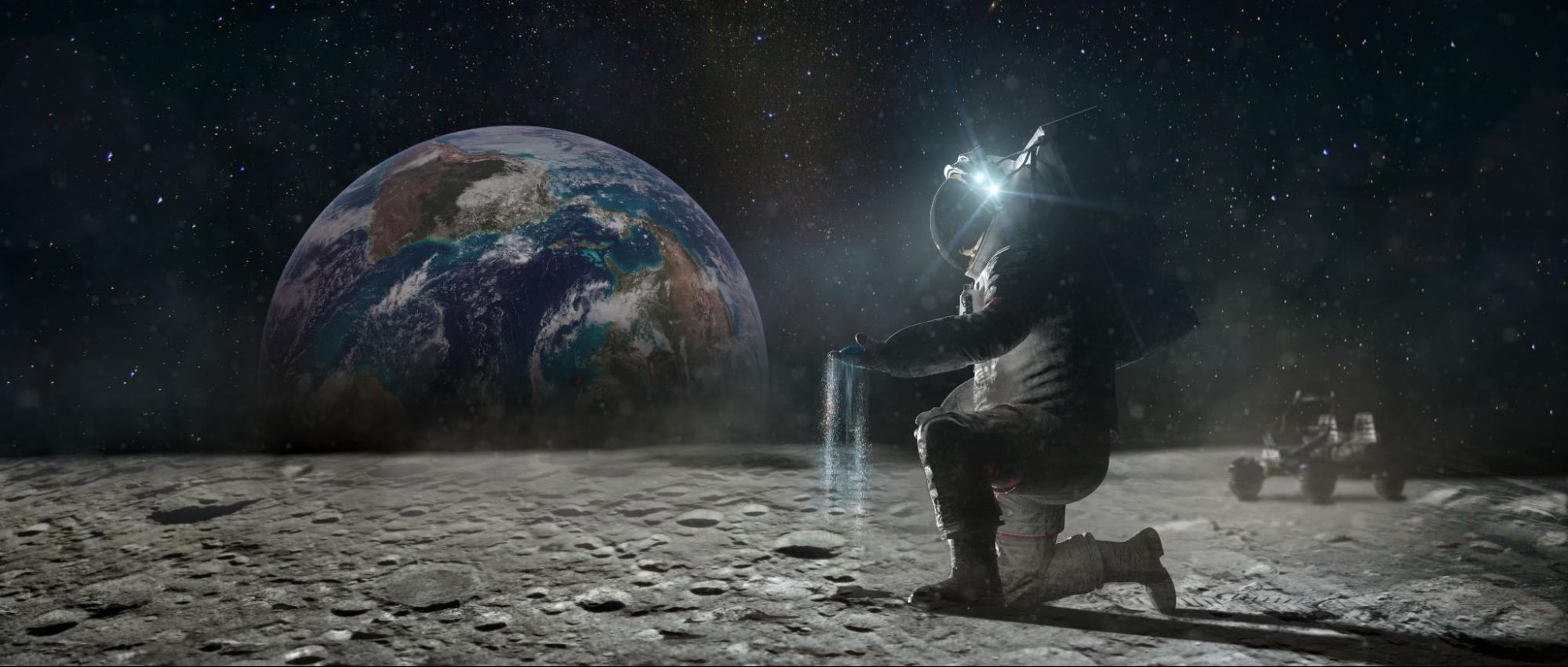
Over billions of years, the Moon’s surface has absorbed helium-3 from the solar wind. Scientists believe there could be millions of tons of it just under the top layer of dust. On Earth, we barely produce a few dozen kilograms a year. That makes the Moon the only realistic place to get the amount we’d need to run large-scale quantum computers – or even power fusion reactors in the future.
And that’s why countries are taking this seriously. Helium-3 isn’t just rare – it’s useful. It can help cool quantum machines. It could eventually power clean fusion energy. It doesn’t create radioactive waste. And it could unlock the next leap in computing. If that happens, whoever controls the supply has a huge advantage.
China’s Not Just Exploring – It’s Planning to Use the Moon
China has made its lunar ambitions crystal clear. In the last few years, it’s ramped up Moon missions, returned samples, and outlined plans to build a permanent lunar base in partnership with Russia. But what’s especially interesting is that these plans go beyond science. They’re about building infrastructure – and helium-3 is right there in the mix.
Some Chinese researchers have already proposed a “magnetic slingshot” system to launch helium-3 payloads back to Earth without rockets. Others are working on mining and processing methods that could operate on the Moon’s surface. The idea is simple: if you can mine helium-3 and send it home efficiently, you don’t just have a scientific win – you have a strategic one.
And it’s not just for power. If China can cool quantum computers at scale using its own supply of helium-3, it could pull ahead in the AI race – and maybe even in military tech. Think faster decision-making, better surveillance, stronger encryption (or the ability to break others’). It’s the kind of edge that changes the balance of power.
The U.S. Is Watching – and Responding
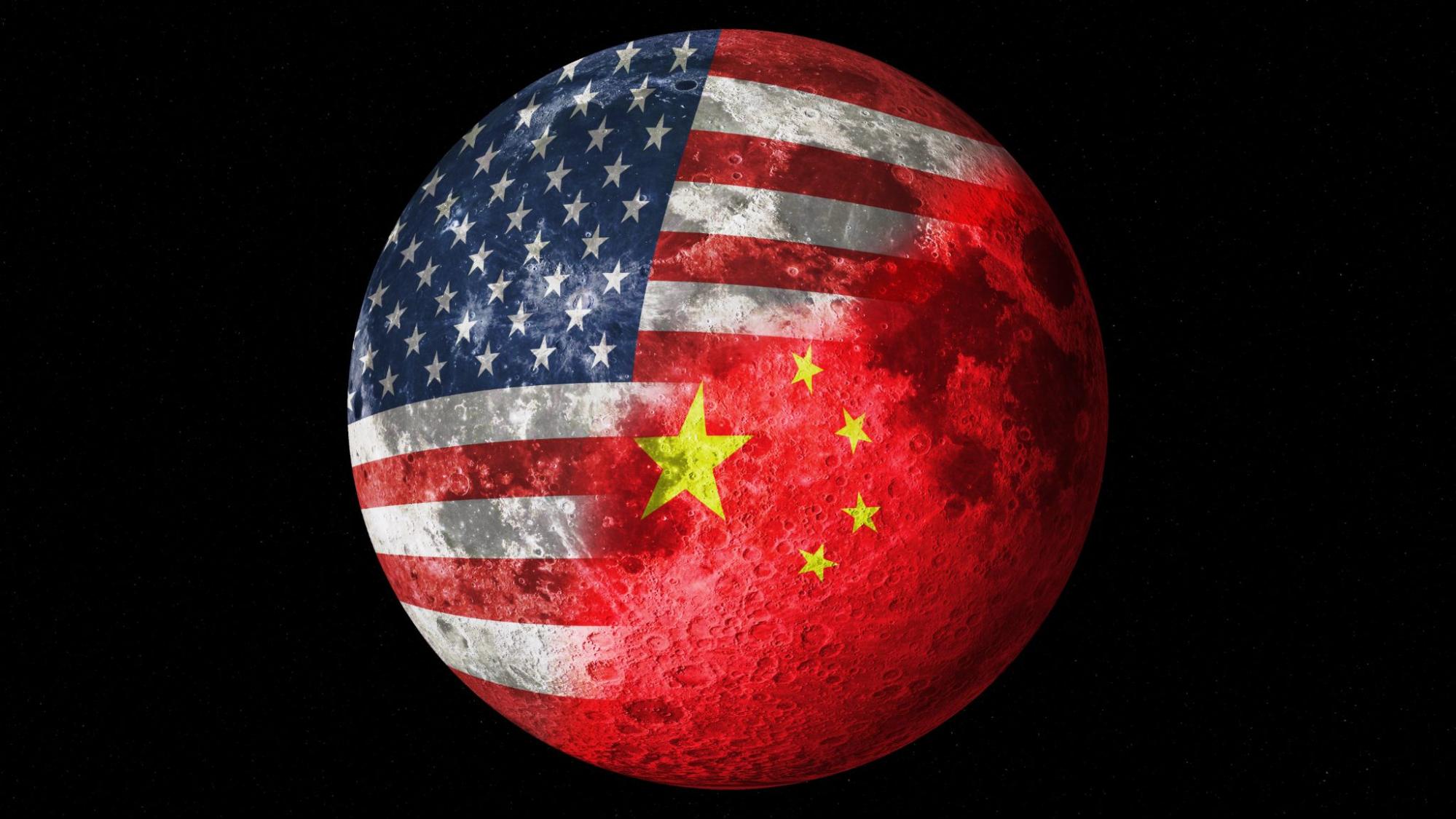
The United States isn’t ignoring this. NASA’s Artemis program is pushing to get astronauts back on the Moon and to support private companies in mining lunar resources. One startup, Interlune, is already building robotic diggers designed to collect helium-3. Their goal? Start shipping it back to Earth by the end of the decade. They’ve even lined up contracts with the U.S. Department of Energy and a quantum tech firm.
It’s a real race – and it’s heating up.
The bigger picture here is that both China and the U.S. know this isn’t just about science or energy. It’s about infrastructure. The kind that supports AI development at a scale most people haven’t even begun to imagine.
Why It All Comes Back to AI
At the end of the day, AI isn’t limited by algorithms – it’s limited by electricity and compute power. If a country can run huge models and quantum systems without worrying about power shortages or heat dissipation, it can move faster, test more, and build smarter systems. And that’s exactly the kind of upper hand that could shape the next few decades – in tech, in economics, and in defence.
Helium-3 is just one part of that story, but it’s a big one. It’s rare. It’s useful. And the Moon has a lot of it.
What Can We Expect Next?
China is thinking long-term, as usual. Its Moon base plans stretch into the 2030s and 2040s. But by laying the groundwork now – and by investing in the systems to extract, launch, and use helium-3 – it’s positioning itself for a major advantage.
The U.S. still has time to stay in the game, and it’s making moves of its own. But this isn’t just a question of who gets there first. It’s a question of who builds the right systems to stay.
Lunar mining might sound like science fiction, but it’s getting closer to reality with every new mission. And if AI really is the future – the next big economic driver, the backbone of defence systems, the brain of smart cities and industries – then the energy and infrastructure behind it matter more than ever.
And that energy might just come from a quiet, dusty surface 384,000 kilometres away.