
Imagine this: In the not-so-distant future, a private company lands on the lunar surface and begins extracting water ice from a crater at the Moon’s south pole. A month later, a rival nation claims the same spot for its upcoming mission. Who gets to stay? Who decides what’s fair? And more importantly – how do we stop that situation from turning into the first real military confrontation in space?
That’s the heart of the issue we’re exploring today: preventing conflicts over extraterrestrial resources. With the rise of space exploration, private missions, and advanced space
technology, the question isn’t if conflicts might happen – but how to handle them legally and peacefully when they do.
Let’s break it down.
What Are We Fighting Over?
Before we talk about laws and governance, it’s important to understand what’s at stake. Space isn’t just a place to explore – it’s a place full of resources that could change how we live, work, and power our world. The Moon, asteroids, and even Mars hold materials we could use for energy, building infrastructure, and sustaining life in deep space. And right now, access to those materials is limited to only a few nations and companies.
We’re talking about mining the Moon, extracting metals from asteroids, and eventually building permanent lunar bases or outposts on Mars. All these ambitions tap into what’s now called the space economy – and it’s growing fast.
Resources like:
- Water ice (used for fuel and drinking water)
- Rare metals (for electronics)
- Minerals for fusion energy (like helium-3)
…are limited, valuable, and hard to access. That’s a recipe for conflict if there are no rules or if the rules aren’t clear. Add in the enormous cost of getting to space, and you get a high-stakes competition with very few participants.
As access becomes easier and missions increase, the chances of overlapping claims and competition grow. And that’s where legal clarity becomes crucial. Without clear agreements and systems in place, these first steps toward space resource use could ignite long-term tensions – both on Earth and beyond.
What Laws Do We Already Have?
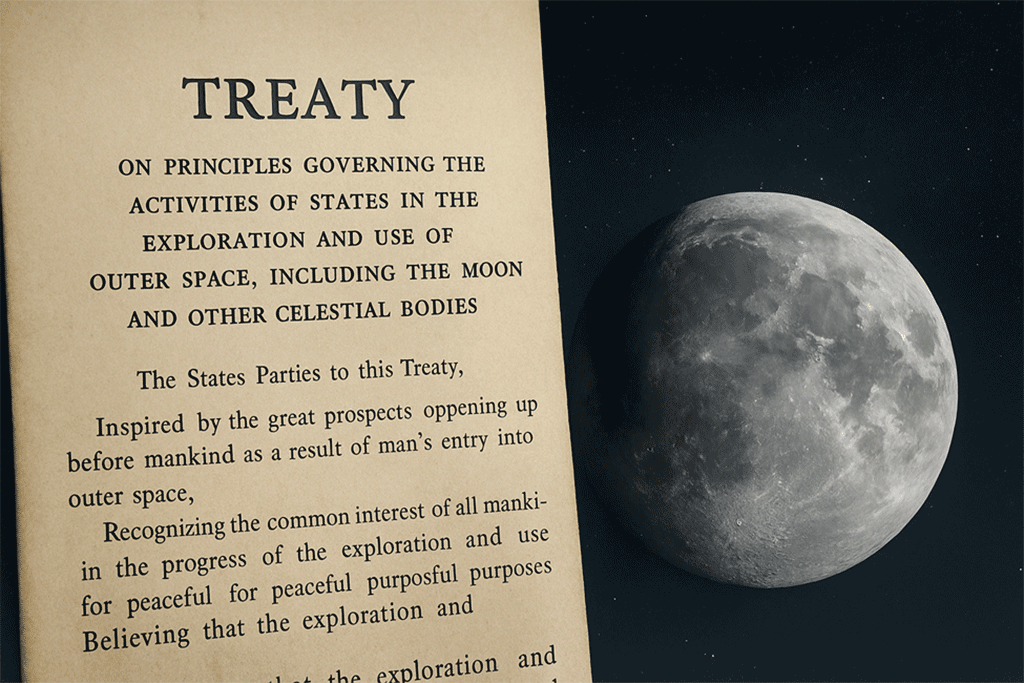
Now that we know what’s at stake, let’s look at the legal foundations that govern space today. These aren’t just abstract agreements – they’re what keeps missions coordinated and competition civil.
Let’s start with the big one: the Outer Space Treaty. Officially titled the Treaty on Principles Governing the Activities of States in the Exploration and Use of Outer Space, this 1967 agreement is the backbone of space law. Most countries – including the U.S., Russia, and China – have signed it.
What It Says:
- No country can claim any part of space (the Moon, Mars, asteroids, etc.) as their own.
- Space is for everyone. It should benefit all humankind.
- States are responsible for what their citizens (including companies) do in space.
- There should be no nuclear weapons or weapons of mass destruction in orbit or on celestial bodies.
- Everyone must avoid harmful interference with others’ space activities.
So, you can extract resources – but you can’t say, “this crater is mine forever.”
This is where it gets tricky. While the treaty bans sovereignty, it doesn’t clearly say whether you can own the materials you extract. That’s where different countries interpret the rules differently.
Understanding how this treaty is read and applied today is key to how countries behave in space.
Who Makes the Rules?
With laws like the Outer Space Treaty in place, you might think everything is covered. But laws only work if there’s someone to interpret and enforce them.
This falls under International Law, and space is no exception. Organizations like the United Nations – especially the United Nations Office for Outer Space Affairs (UNOOSA) – help interpret and guide these discussions. Their job is to support peaceful and sustainable space activities.
But here’s the problem: there’s no global enforcement body for space law. There’s no “Space Police.” So how do we actually handle disputes?
That’s why understanding who oversees these treaties – and how states resolve differences – is so important.
How Can Conflicts Happen?
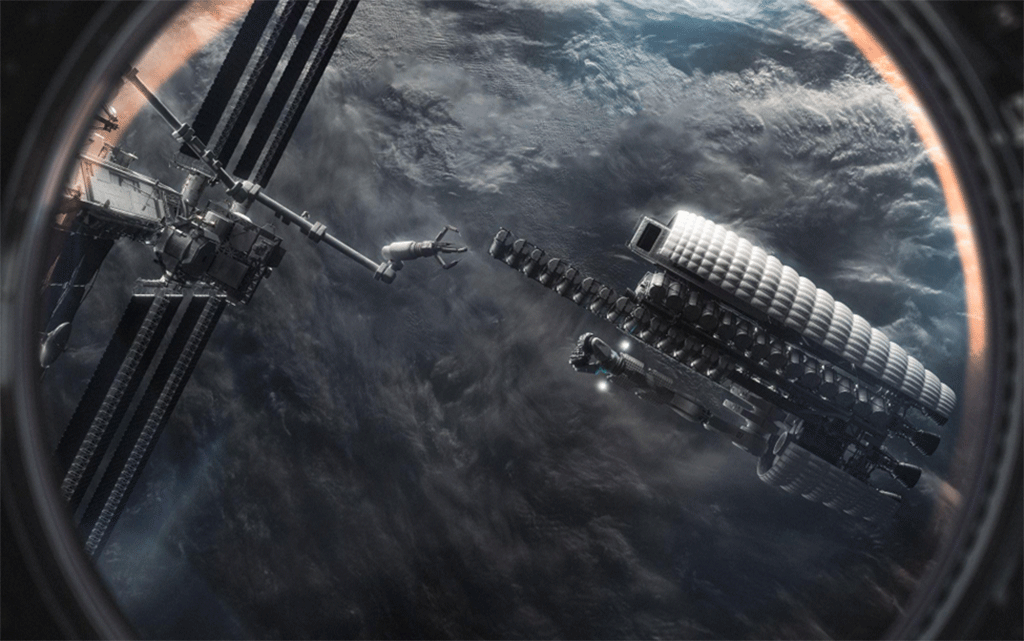
With so many missions planned and so few binding rules, it’s not hard to imagine where problems could arise. Let’s walk through the main types of conflict that could happen in space – and why.
1. Overlapping Claims
Two countries or companies try to mine the same asteroid or lunar region. Example: Company A is extracting water ice at Shackleton Crater. Company B lands next door and starts drilling. Who gets priority?
2. Interference or Damage
A satellite is damaged by another mission’s space debris. A mining rover disrupts another nation’s sensor equipment. Accidental or not, that’s a serious issue.
3. National Security & Militarization
A government builds a facility near the Moon’s pole and calls it a research base – but it includes surveillance systems. Is it peaceful science? Or a military base in disguise? This triggers concerns about space militarization, space security, and the growing influence of organizations like the US Space Force or similar defense branches in other countries.
4. Weaponization of Orbits
If a satellite is equipped with defensive capabilities – or worse, offensive tech – it raises concerns about space-based weapons, weaponized satellites, and violations of arms control treaties and the Law of Armed Conflict.
Each of these scenarios has already been simulated or debated in government and legal circles. They aren’t hypothetical – they’re preparing for very real situations.
5. National Licensing
Countries like the U.S., Japan, Luxembourg, and UAE have passed laws allowing their citizens to extract and own space resources. But to do so, companies need a license. That license includes rules for safety, environmental protection, and coordination.
This is where the private sector plays a huge role. SpaceX, Blue Origin, ispace, and other companies are pushing space mining forward. But they must operate under their home country’s laws – which, in turn, must comply with international treaties.
The Military Side: What About War in Space?
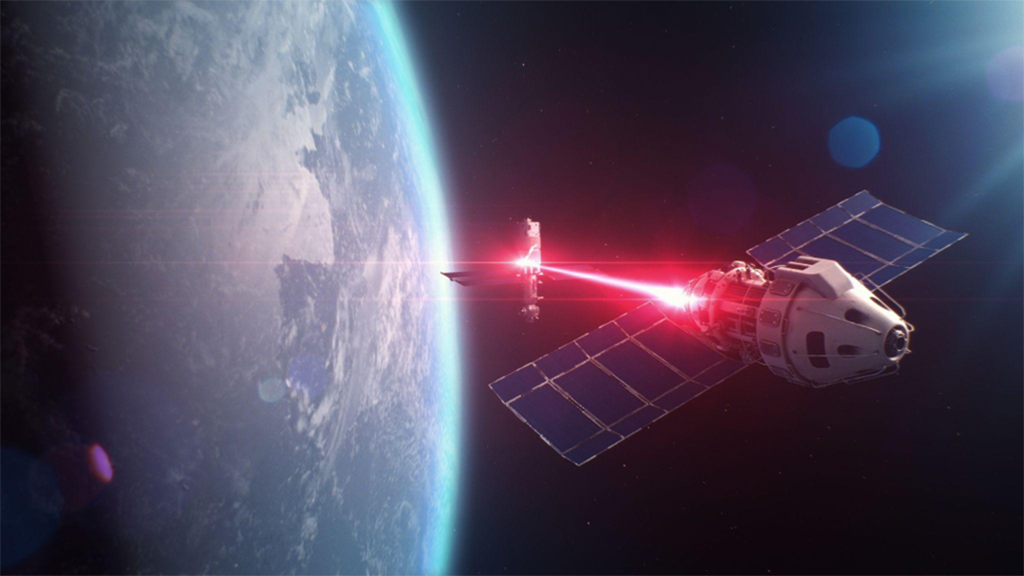
When we talk about conflict prevention, we also have to talk about what happens if prevention fails. Space is no longer a purely scientific playground – it’s a strategic domain.
Space isn’t just about science anymore. It’s part of the Space Domain – a new strategic frontier alongside land, sea, air, and cyber.
Countries now train forces for space warfare. They develop technologies for remote sensing, satellite jamming, and even autonomous weaponry that could theoretically operate in orbit.
This raises major concerns:
- Are we heading for a cyber World War that targets space systems?
- Can satellites become space weapons?
- Will someone place arms in orbit despite the arms control treaties?
This is where International Humanitarian Law (IHL) and the Geneva Conventions step in. If war reaches space, IHL still applies. Civilian space infrastructure (like the International Space Station) must be protected. Attacks must follow principles of distinction and proportionality.
Experts are working on defining these rules more clearly. Two key efforts are:
- The Manual on International Law Applicable to Military Uses of Outer Space (a project still in progress)
- The Woomera Manual (Australia-led, building on lessons from the air and cyber domains)
These manuals try to answer: What does space security governance look like? How do we apply existing laws in a new environment?
Knowing what’s at stake in military terms helps us understand why legal clarity and international agreement are more important than ever.
Big Gaps Still Remain
So far, we’ve looked at what laws exist and how countries try to manage conflict. But the reality is that many holes still exist in the current legal framework.
Problems:
- The Moon Agreement (which called for an international resource-sharing regime) hasn’t been signed by major space powers.
- Countries interpret the Outer Space Treaty differently.
- There’s no binding treaty specifically for space mining.
- Enforcement depends entirely on national governments – and not all of them have the capacity to oversee private missions.
- There’s no fast-track international court for commercial space disputes.
Right now, it’s mostly good faith and diplomacy holding things together.
Unless these issues are addressed, the risks of space disputes becoming real conflicts will only increase as more actors enter orbit and beyond.
What Can Be Done Now?
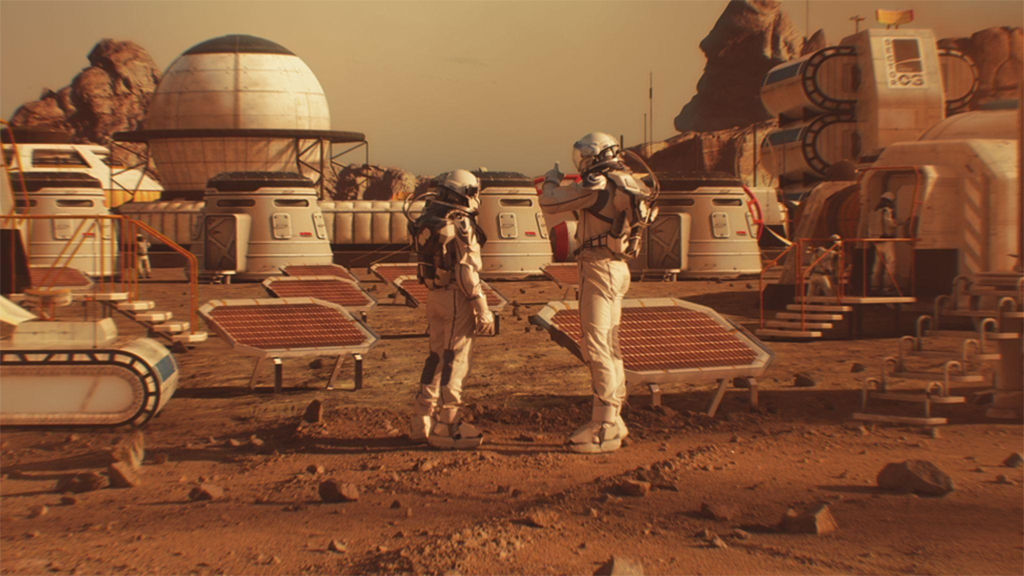
If space law is behind the curve, what are the practical steps we can take today to reduce tensions and prevent misunderstandings tomorrow? The good news is that experts, policymakers, and even private companies are already laying some groundwork.
1. Strengthen UN Mechanisms
The United Nations Committee on the Peaceful Uses of Outer Space (COPUOS) and UNOOSA must get more support. Their working groups are developing soft law – non-binding guidelines that shape behavior. We need to turn some of those into stronger, clearer rules.
If given more authority and political backing, these institutions could evolve into effective arbiters for future disagreements and champions of long-term space security.
2. Harmonize National Laws
Countries should align their licensing regimes. They should include rules on environmental protection, data sharing, and conflict prevention. This way, a U.S. company and a Japanese one won’t clash over unclear rules.
Coordination at the national level leads to better behavior at the global level – especially when all actors are playing by similar rulebooks.
3. Promote Conflict-Free Resource Use
We need shared frameworks – maybe even a new treaty – that specifies how to share lunar and asteroid resources fairly. Maybe a fund that redistributes profits. Maybe quotas or joint missions. These ideas are being discussed.
Finding consensus won’t be easy, but the alternative is a resource rush that could spark tension – and even violence – in the most unregulated frontier humanity has ever explored.
4. Build Trust
Transparency is key. Publicize missions. Coordinate locations. Share technical data. Keep talking. Avoid surprises.
Remember what Sun Tzu said: “The supreme art of war is to subdue the enemy without fighting.” In space, the goal is to never get to the fight in the first place. This mindset – proactive, communicative, and cooperative – is our best defense in keeping the peace above Earth.
The Path Forward: Cooperation Over Competition
The future of space isn’t just about who plants a flag or lands first – it’s about how humanity manages cooperation in an environment that belongs to no one, yet matters to everyone. As we move deeper into space, the risk of space conflicts over resources, territory, or military advantage becomes more than theoretical. The legal groundwork already exists, but it must be sharpened, modernized, and actively applied.
It doesn’t matter if we’re establishing Lunar Bases, extracting resources for fusion energy, or fueling the space economy with asteroid mining, peace and cooperation must remain central. That requires countries to revisit the principles of the Outer Space Treaty, apply the wisdom of the UN Charter, and make room for both emerging powers and private enterprises.
By updating the existing legal framework, promoting transparency, and emphasizing dialogue over dominance, we can avoid repeating history in orbit. This is not just about governing space – it’s about building a shared future where space is a domain of peace, not power plays.
If we succeed, the systems we build today could become a model for resolving conflicts not just above Earth – but right here on it as well.